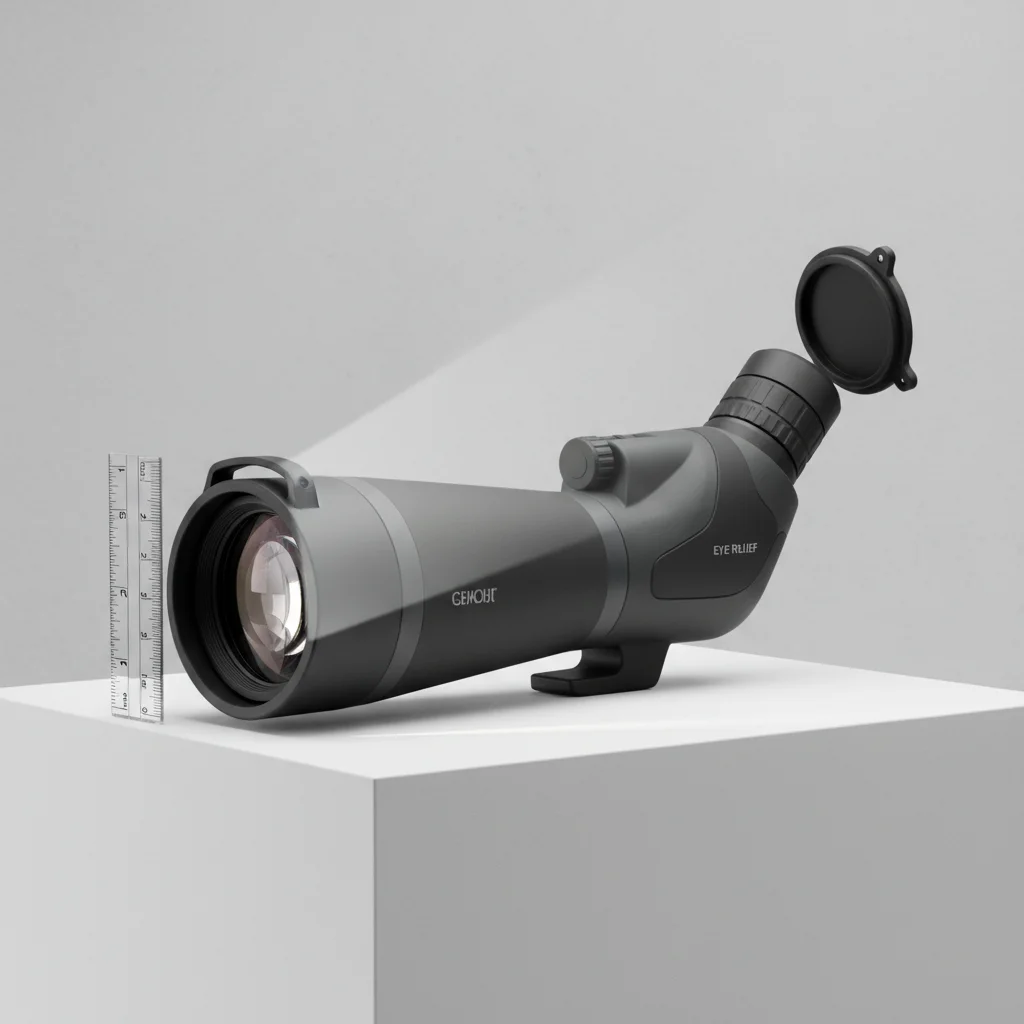
Spotting scope eye relief, typically ranging from 15mm to 20mm, is the optimal distance your eye can be from the eyepiece while still seeing the full field of view. For eyeglass wearers, a minimum of 15mm is recommended, with 17mm or more being ideal for comfortable viewing without removing glasses. This critical specification ensures a full image and reduces eye strain during extended observation sessions.
Understanding Eye Relief and Its Importance
Eye relief is the distance from the outermost lens of an eyepiece to the point where the exit pupil is formed. A longer eye relief allows the viewer to hold the scope further from their eye, which is particularly beneficial for those who wear glasses. Without sufficient eye relief, eyeglass wearers may experience vignetting, where the edges of the image are cut off, or discomfort from pressing their glasses against the eyepiece.
For non-eyeglass wearers, while less critical, adequate eye relief still contributes to a more relaxed viewing experience, reducing eye strain over time. It also provides a buffer against accidental impacts, which can be a concern in dynamic environments like hunting or competitive shooting.
Factors Influencing Your Eye Relief Needs
Several factors determine the ideal eye relief for an individual. Eyeglass wearers generally require a minimum of 15mm, and often prefer 17mm or more, to comfortably see the entire field of view without removing their glasses. The type of eyeglasses also plays a role; thicker frames or lenses might necessitate even greater eye relief.
Beyond eyeglasses, personal preference and the intended use of the spotting scope are important. For quick observations, slightly less eye relief might be acceptable. However, for prolonged viewing sessions, such as birdwatching or surveillance, a generous eye relief significantly enhances comfort and reduces fatigue. Consider the conditions you’ll be using the scope in; cold weather gear or helmets can also impact how close you can get your eye to the eyepiece.
Adjustable Eyecups and Their Role
|
Our Picks for the Best Spotting Scope in 2026
As an Amazon Associate I earn from qualifying purchases.
|
||
| Num | Product | Action |
|---|---|---|
| 1 | SVBONY SV28 Spotting Scopes with Tripod, Angled 25-75x70mm Spotter Scope with Phone Adapter, Waterproof Fogproof Spotting Scope for Bird Watching, Target Shooting, Wildlife Viewing |

|
| 2 | Spotting Scope 20-60x60mm - Waterproof IPX7 Spotter Scope with Phone Adapter and Tripod, Portable for Bird Watching Wildlife observing and Hiking, Black |
|
| 3 | SVBONY SV28 100mm Angled Spotting Scope for Target Shooting, 25-75x Spotter Scope with Tripod for Long Range Viewing, FMC HD Optics with Soft Carrying Case & Phone Adapter, Scopes for Birdwatching |
|
| 4 | Gosky Flagship 25-75x80 Spotting Scope - Spotting Scopes with Tripod, Carrying Bag and Quick Phone Holder BAK4 Waterproof Spotter Scope for Bird Watching Target Shooting,Upgraded Version |
|
| 5 | 25-75x70 HD Spotting Scope with BAK4 Prism FMC Lens, IPX7 Floating Fully Waterproof Spotting Scopes for Target Shooting Birding Wildlife Viewing Stargazing, Tripod Phone Adapter Carrying Bag(Green) |
|
| 6 | SVBONY SV28 20-60x80 New Version Spotting Scope for Target Shooting, Long Range Spotter Scope with Phone Adapter and Tripod, HD Scope for Bird Watching, Wildlife Observation |
|
| 7 | 25-75X60 Spotting Scope with 51in Tripod, Spotting Scope for Target Shooting, Hunting & Bird Watching, Low Light Vision, Phone Adapter, Carry Bag, BAK4 Prism, FMC Lens, Waterproof (ArmyGreen) |
|
| 8 | SVBONY SV28 Plus Spotting Scopes with Tripod, Angled Spotter Scope with Upgraded Phone Adapter, IP65 Waterproof Fogproof Long Range Spotting Scope for Target Shooting, Birding |
|
| 9 | Gosky Flagship DiamondEdge 20-60x80 Spotting Scope with Tripod, Carrying Bag and Quick Phone Holder - BAK4 High Definition Waterproof Spotter Scope for Bird Watching Wildlife observing,Green |
|
| 10 | High-Definition Spotting Scope for Bird Watching,Wildlife Viewing,Beginners Telescope,Target Observation.25-75×60mm HD Spotting Scope with Tripod and Phone Adapter,Monocular |
|
Most modern spotting scopes feature adjustable eyecups, which are designed to help users fine-tune their eye relief. These eyecups can be twisted up or down, allowing both eyeglass wearers and non-eyeglass wearers to achieve the optimal distance from the eyepiece. For eyeglass wearers, the eyecups are typically kept in the fully retracted position. Non-eyeglass wearers can extend the eyecups to block out ambient light and maintain a consistent viewing distance.
The quality and design of these adjustable eyecups can vary between manufacturers. Look for eyecups that offer smooth, precise adjustments and are made from durable materials to ensure longevity and consistent performance. Some premium models offer multiple click-stop positions for even greater customization.
Recommended Eye Relief for Different Activities
The optimal eye relief can vary depending on the specific activity. Here are some general recommendations:
- Birdwatching: 16-20mm for comfortable, extended viewing, especially if wearing glasses.
- Target Shooting: 15-18mm to maintain a safe distance from recoil, particularly with high-powered rifles.
- Hunting: 15-20mm to accommodate varying conditions and potential for quick observations.
- Astronomy: 15-20mm for comfortable viewing during long sessions, often in low light.
It’s always advisable to test a spotting scope’s eye relief if possible before purchasing, especially if you have specific needs related to eyeglasses or unique viewing conditions.
Compromises and Considerations
While generous eye relief is generally desirable, it can sometimes come with certain trade-offs. Spotting scopes with very long eye relief might have a slightly narrower apparent field of view, though this is often compensated for by advanced optical designs. Achieving extremely long eye relief can add to the complexity and cost of the eyepiece design.
When evaluating a spotting scope, balance the importance of eye relief with other critical optical parameters such as magnification, objective lens size, and overall image quality. A scope with excellent eye relief but poor image clarity will not provide a satisfactory viewing experience. Always consider the complete package and how it aligns with your primary use case.
Conclusion
Spotting scope eye relief is a crucial specification that directly impacts viewing comfort and the ability to see the full field of view. For eyeglass wearers, a minimum of 15mm is recommended, with 17mm or more being ideal. Non-eyeglass wearers also benefit from adequate eye relief, which reduces eye strain and enhances the overall viewing experience. Always consider your personal needs and the intended application when selecting a spotting scope, and utilize adjustable eyecups to optimize your viewing distance.
Frequently Asked Questions
What is spotting scope eye relief and why is it important?
Spotting scope eye relief is the distance from the eyepiece's outermost lens to the point where the exit pupil forms, allowing a full field of view. It is crucial for comfortable viewing, especially for eyeglass wearers, as insufficient eye relief can cause vignetting and discomfort.
How much eye relief do eyeglass wearers need for a spotting scope?
Eyeglass wearers generally require a minimum of 15mm of eye relief to comfortably see the entire field of view without removing their glasses. Many prefer 17mm or more, as thicker frames or lenses might necessitate even greater eye relief for optimal viewing.
Do non-eyeglass wearers benefit from long eye relief?
Yes, non-eyeglass wearers also benefit from adequate eye relief, as it contributes to a more relaxed viewing experience and reduces eye strain over time. It also provides a buffer against accidental impacts, which is useful in dynamic environments.
How do adjustable eyecups help with eye relief?
Adjustable eyecups on modern spotting scopes allow users to fine-tune their eye relief by twisting them up or down. Eyeglass wearers typically keep them fully retracted, while non-eyeglass wearers can extend them to block ambient light and maintain a consistent viewing distance.
What is the recommended eye relief for birdwatching?
For birdwatching, an eye relief of 16-20mm is recommended. This range provides comfortable, extended viewing, which is particularly beneficial if you wear glasses and spend long periods observing.

This really helped me understand why my current scope felt so uncomfortable during long birdwatching sessions. I never realized how important eye relief was for reducing eye strain. My scope has about 16mm, which is okay, but I’m definitely looking for something closer to 20mm for my next purchase to make those extended observations even more enjoyable.
I’ve always struggled with my glasses and spotting scopes, but the advice here about needing at least 17mm of eye relief was a game-changer. My old scope was around 14mm and I was constantly getting vignetting. Upgraded to a model with 18mm and the difference is night and day. No more pressing my glasses against the eyepiece, just clear, full views.
The information about eye relief being the distance from the outermost lens to the exit pupil was helpful. I got a new scope recently and while the image quality is great, the eye relief is only 15mm. It’s just barely enough for my glasses, and I still find myself adjusting a lot to avoid the edges being cut off. Wish I’d paid more attention to this spec before buying.
As someone who wears glasses, I can’t stress enough how crucial good eye relief is. My previous scope made me choose between clear vision and comfort. Now, with a scope that offers 19mm of eye relief, I can comfortably keep my glasses on and enjoy the full field of view without any discomfort. It’s made my target shooting sessions so much better.