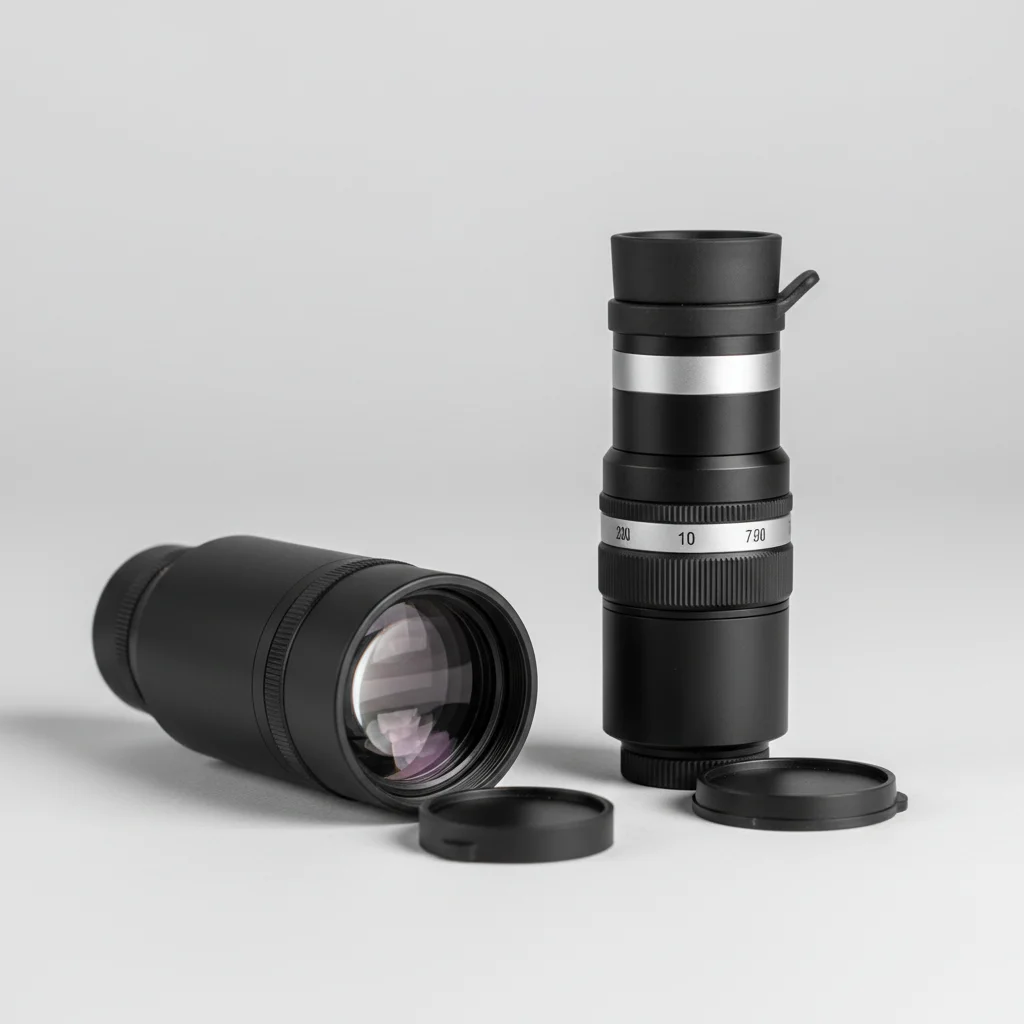
When choosing spotting scope eyepieces, the decision between fixed and zoom models often comes down to your primary use case. Fixed eyepieces generally offer superior optical clarity and a wider field of view at their specific magnification, making them ideal for situations where consistent, high-quality viewing is paramount, such as competitive target shooting or detailed bird identification. Zoom eyepieces, conversely, provide the flexibility to adjust magnification, which is highly beneficial for scanning large areas or tracking moving subjects, though they may introduce slight compromises in brightness and edge-to-edge sharpness compared to their fixed counterparts.
Understanding Fixed Eyepieces for Spotting Scopes
Fixed eyepieces are designed for a single, specific magnification, such as 20x, 30x, or 40x. This dedicated design allows manufacturers to optimize the optical path for that particular power, resulting in a sharper, brighter image with less distortion. Users often report a more comfortable viewing experience due to the typically wider apparent field of view. For activities like digiscoping, where consistent magnification is key for framing shots, a fixed eyepiece can be a significant advantage. They are also generally more robust and less prone to mechanical issues due to fewer moving parts. For complete spotting scopes library on this site.
The primary drawback of fixed eyepieces is their lack of versatility. If you need to observe subjects at different distances or magnifications, you would need to physically swap out eyepieces, which can be inconvenient in the field. However, for dedicated tasks where a specific magnification is consistently required, the optical performance of a fixed eyepiece is often unmatched.
Exploring Zoom Eyepieces for Spotting Scopes
Zoom eyepieces offer variable magnification, typically ranging from 20-60x or 25-50x. This flexibility is their greatest asset, allowing users to quickly adjust the magnification to suit changing viewing conditions or subject distances. For example, you can start with a lower magnification to locate a distant animal and then zoom in to observe fine details without changing eyepieces. This makes them incredibly popular for general wildlife observation, hunting, and casual astronomy where subjects may vary widely in size and distance.
While highly convenient, zoom eyepieces can sometimes exhibit slight optical compromises. The complex internal mechanics required for variable magnification can lead to a narrower field of view at higher powers, a slight reduction in brightness, or minor chromatic aberration compared to a top-tier fixed eyepiece. However, modern optical designs have significantly mitigated these issues, making high-quality zoom eyepieces an excellent choice for most users seeking versatility.
Key Considerations When Choosing
|
Our Picks for the Best Spotting Scope in 2026
As an Amazon Associate I earn from qualifying purchases.
|
||
| Num | Product | Action |
|---|---|---|
| 1 | SVBONY SV28 100mm Angled Spotting Scope for Target Shooting, 25-75x Spotter Scope with Tripod for Long Range Viewing, FMC HD Optics with Soft Carrying Case & Phone Adapter, Scopes for Birdwatching |

|
| 2 | SVBONY SV28 Spotting Scopes with Tripod, Angled 25-75x70mm Spotter Scope with Phone Adapter, Waterproof Fogproof Spotting Scope for Bird Watching, Target Shooting, Wildlife Viewing |
|
| 3 | Gosky Flagship DiamondEdge 20-60x80 Spotting Scope with Tripod, Carrying Bag and Quick Phone Holder - BAK4 High Definition Waterproof Spotter Scope for Bird Watching Wildlife observing,Green |
|
| 4 | SVBONY SV28 Plus Spotting Scopes with Tripod, Angled Spotter Scope with Upgraded Phone Adapter, IP65 Waterproof Fogproof Long Range Spotting Scope for Target Shooting, Birding |
|
| 5 | SVBONY SV28 20-60x80 New Version Spotting Scope for Target Shooting, Long Range Spotter Scope with Phone Adapter and Tripod, HD Scope for Bird Watching, Wildlife Observation |
|
| 6 | Spotting Scope 20-60x60mm - Waterproof IPX7 Spotter Scope with Phone Adapter and Tripod, Portable for Bird Watching Wildlife observing and Hiking, Black |
|
| 7 | High-Definition Spotting Scope for Bird Watching,Wildlife Viewing,Beginners Telescope,Target Observation.25-75×60mm HD Spotting Scope with Tripod and Phone Adapter,Monocular |
|
| 8 | 25-75x70 HD Spotting Scope with BAK4 Prism FMC Lens, IPX7 Floating Fully Waterproof Spotting Scopes for Target Shooting Birding Wildlife Viewing Stargazing, Tripod Phone Adapter Carrying Bag(Green) |
|
| 9 | 25-75X60 Spotting Scope with 51in Tripod, Spotting Scope for Target Shooting, Hunting & Bird Watching, Low Light Vision, Phone Adapter, Carry Bag, BAK4 Prism, FMC Lens, Waterproof (ArmyGreen) |
|
| 10 | Gosky Flagship 25-75x80 Spotting Scope - Spotting Scopes with Tripod, Carrying Bag and Quick Phone Holder BAK4 Waterproof Spotter Scope for Bird Watching Target Shooting,Upgraded Version |
|
When deciding between fixed and zoom eyepieces, consider your primary application. For critical, high-precision viewing where every detail matters, such as competitive shooting or detailed scientific observation, the optical purity of a fixed eyepiece might be preferable. For dynamic situations requiring adaptability, like birding across varied terrain or general outdoor exploration, a zoom eyepiece offers unparalleled convenience.
- Optical Quality: Fixed eyepieces generally offer superior sharpness and brightness.
- Flexibility: Zoom eyepieces provide variable magnification for diverse viewing needs.
- Field of View: Fixed eyepieces often have a wider field of view, especially at comparable magnifications.
- Durability: Fixed eyepieces, with fewer moving parts, tend to be more robust.
- Cost: High-quality fixed eyepieces can sometimes be more affordable than premium zoom models.
When to Choose a Fixed Eyepiece
Opt for a fixed eyepiece if your viewing needs are specific and consistent. If you primarily engage in activities like target shooting at a known distance, or if you are a dedicated birder who knows the exact magnification needed for specific species in a particular habitat, a fixed eyepiece will provide the best possible image quality. They are also favored by those who prioritize maximum light transmission and a wide, immersive field of view.
When to Choose a Zoom Eyepiece
A zoom eyepiece is the better choice for versatility and convenience. If you frequently encounter subjects at varying distances, or if you need to scan large areas before zooming in on a specific detail, the ability to adjust magnification on the fly is invaluable. This makes them ideal for general hunting, wildlife observation, and casual nature viewing where conditions and subjects are unpredictable.

As a competitive target shooter, I can’t stress enough how important optical clarity is. My fixed eyepiece, specifically a 40x, gives me the crisp, clear image I need to make precise adjustments. The dedicated design really makes a difference, and I wouldn’t trade that for the flexibility of a zoom. This was a super helpful breakdown.
I recently switched to a zoom eyepiece for birdwatching, and while the flexibility for tracking moving subjects is great, I have noticed a slight compromise in brightness at the higher magnifications. It’s not a dealbreaker for me since I value the ability to scan wide areas, but it’s definitely something to consider if you’re really particular about edge-to-edge sharpness. Still, it’s a solid choice for my needs.
I’ve been using a fixed 30x eyepiece for my target shooting for years, and the clarity is just unmatched. This article really hit the nail on the head about how crucial that consistent, high-quality viewing is. I can spot my shots at 200 yards with incredible detail, even in less-than-ideal light. Definitely sticking with fixed for precision.
I picked up a new spotting scope with a zoom eyepiece, hoping to get the best of both worlds. While it’s convenient for scanning, I’m a bit disappointed with the field of view compared to my old fixed eyepiece. It feels a little more restrictive, especially when I’m trying to follow fast-moving wildlife. I might go back to a fixed 20x for my next purchase.